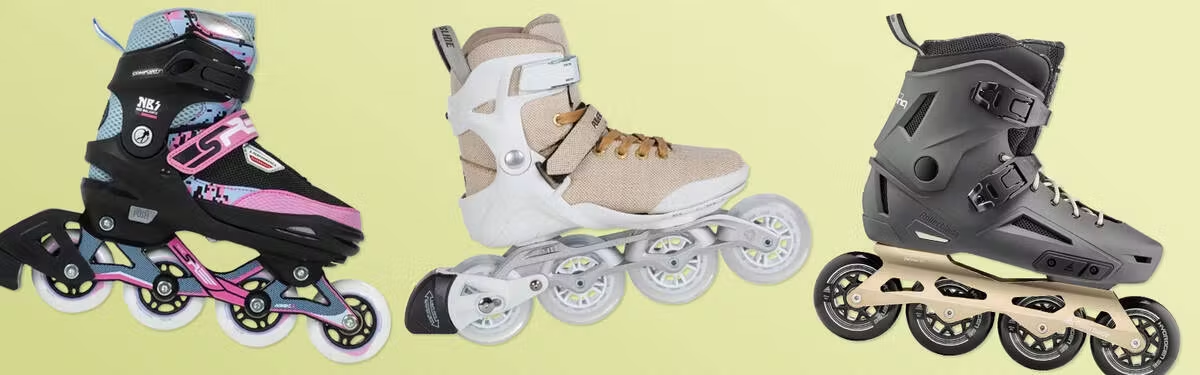
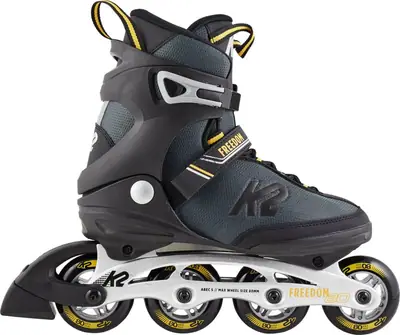
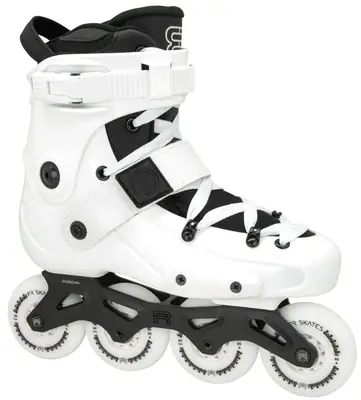
While seeking the best inline skates for newcomers, it is crucial to select a pair that prioritises comfort and stability to ensure a pleasant skating journey. In this guide, we've gathered some of our top suggestions to aid you in navigating through numerous choices for your initial set of inline skates. Here, you'll learn all the essentials for picking the ideal beginner inline skates.
Our assortment of inline skates features a selection tailored specifically for beginners. These skates generally fall under recreational or fitness categories. Such terms usually indicate that the skates are meant for diverse, general-purpose usage instead of niche activities like speed skating or aggressive skating. They merge performance with comfort, making them perfect for transport, fitness, and leisurely enjoyment.
Overview

Which Inline Skates Are Best for Beginners?
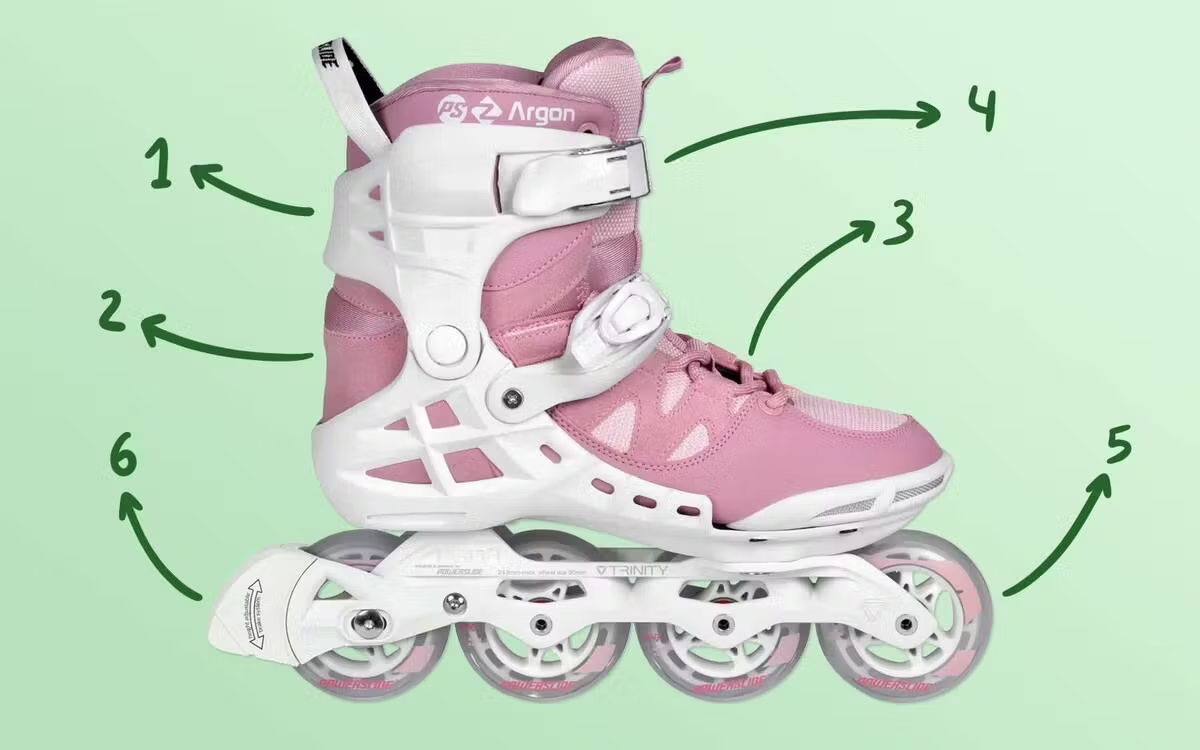
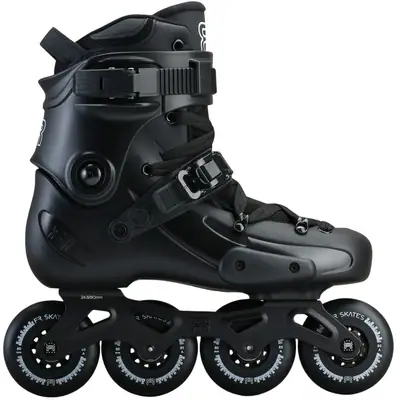
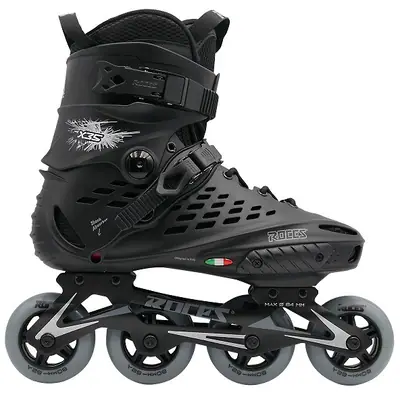
Consider these attributes for balancing performance and comfort when selecting beginner inline skates:
- High cuffs for lateral support: They offer ankle stability and support.
- Breathable liners with foam: Deliver comfort and airflow when worn.
- Lacing options: Choose between traditional laces, speed lacing, or BOA systems for a snug fit.
- Powerstrap and buckle: Ensures your foot remains secure.
- Small wheels (no bigger than 90 mm in diameter): Provide beginners with better control and ease of movement.
- Heel brake: Important for safe speed regulation and stopping.
Our inline skate collection includes beginner-friendly models suited to all ages and tastes. We advise filtering the choices by skill level when browsing our inline skate categories.
Guidelines for Sizing Inline Skates for Beginners
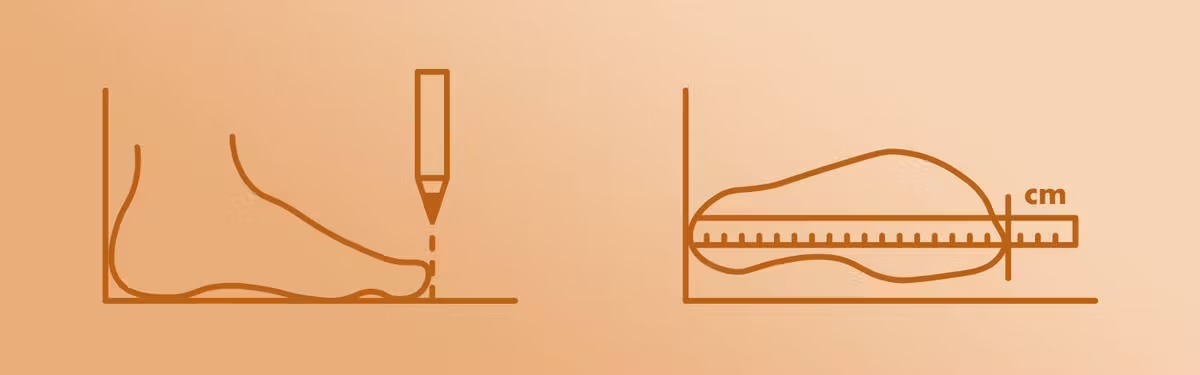
Getting the correct size is fundamental when starting your rolling adventure. When purchasing skates online, adhere to the size guide for the particular model you're considering and select your skates based on an accurate foot measurement.
For an accurate foot measurement, position your heel against a wall. Measure the space from the wall to the tip of your longest toe, maintaining a 90-degree angle for the measurement.
accurately measuring your feet
- Find a hard, flat surface: Stand on a hard, flat surface with your back against the wall for exact measurements.
- Wear skating socks: Wear the same kind of socks you plan to use with your skates while measuring your feet.
- Place paper against the wall: Put a piece of paper on the floor, ensuring one edge is against the wall.
- Stand upright: Stand upright with your heel touching the wall and your foot flat on the paper.
- Mark your toe tip: Draw a mark on the paper at the tip of your longest toe.
- Measure both feet: Measure both feet since one foot is often slightly larger. Use the larger measurement when determining your skate size.
Use a ruler to measure the foot length on the paper. You've now determined your mondopoint size, which will help when consulting size charts for inline skates.
Ensuring the Right Fit for Inline Skates
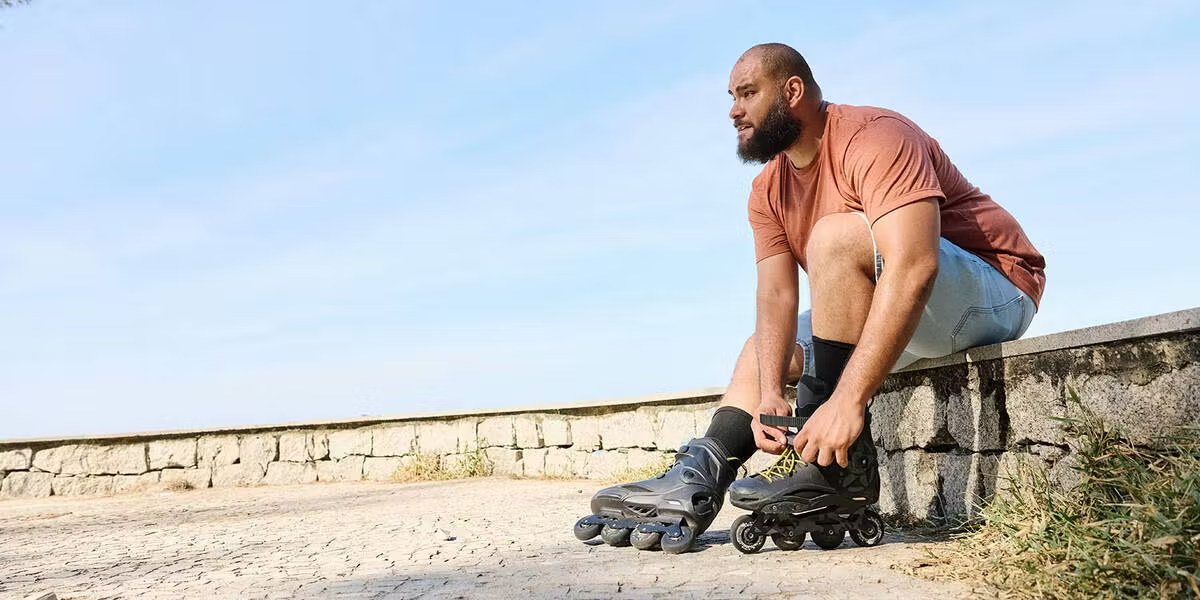
Inline skates should fit snugly but not cause discomfort. Proper tightness is needed to ensure effective energy transfer from your legs through the skates. Consider these factors when trying on your first skates:
- Break-In Period: Initially, skates may feel stiff but should become more comfortable with use as they break in.
- Heel Lock: Ensure your heel fits snugly in the heel cup with limited lift while skating. A secure heel lock enhances control and reduces blister risk.
- Toe Space: Allow some space for your toes to slightly wiggle, but they should never be cramped against the inline skates’ tip.
- Ankle Support: The ankle area should feel secure but shouldn’t restrict circulation. You should comfortably bend your knees without undue pressure on ankles.
- Closure Systems: Adjust laces, buckles, and straps to achieve secure but comfortable fitting skates, allowing adequate blood flow.
Understanding the Inline Skates Break-In Period
As someone new to skating, your feet are unaccustomed to being cocooned in skates. Even if they fit perfectly, skates have a break-in period, and beginners need time for the skin on feet, ankles, and shins to build endurance.
Consider these tips for easing the break-in process:
- Take It Gradually: Breaking in skates might take several weeks. Begin with shorter sessions and extend them progressively. While adjusting to skating, expect initial discomfort.
- Relax Your Feet: Focus on relaxing your feet while skating and avoid tightening laces or straps excessively.
- Prevent Blisters: Experiment with various socks for comfort while skating. Insoles can be beneficial, as can trying different socks for a better fit. Footies can significantly reduce blisters, particularly around heels and ankles.
If any pain persists, consult a medical professional. Enjoy the process as your skates and skating style become naturally integrated with your feet.
For additional advice, check our article about insoles, footies, and breaking-in new skates:
Techniques to Brake on Beginner Inline Skates
Beginner inline skates are equipped with brakes at the back, often in the form of a heel brake. This configuration gives novices an advantage, making the braking process more intuitive as they learn to control their skates. In essence, a traditional heel brake offers a safer and easier braking method, crucial for beginners.
Essential Protective Gear for New Inline Skaters
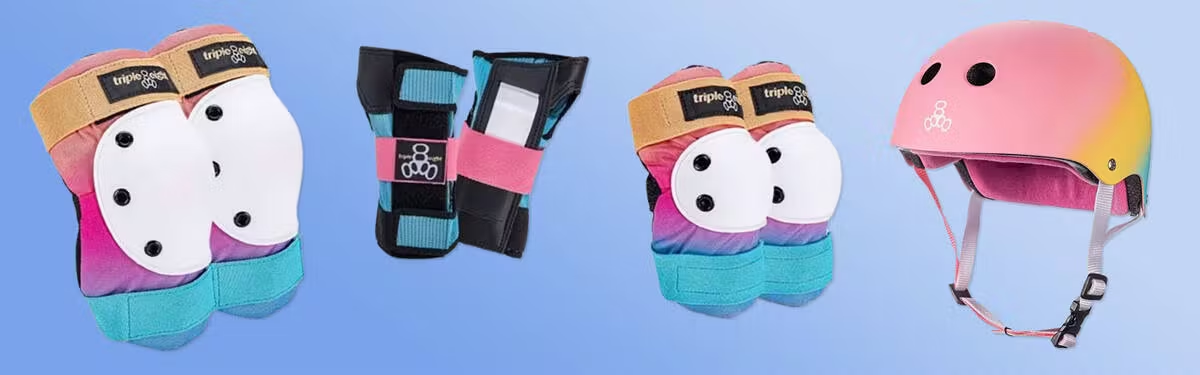
Wearing protective gear is vital for your safety when inline skating. As a beginner, you should have the following protective items:
- Helmet: A properly-fitting helmet is essential to protect your head against serious injuries.
- Wrist Guards: Wrist guards support and cushion your wrists in case of falls, preventing injury.
- Knee Pads: Protect your knees from scrapes, bruises, and fractures.
- Elbow Pads: Shield your elbows from impacts and abrasions with elbow pads.
Using this protective gear reduces the risk of injury, making your inline skating experience safer and more enjoyable.
Ensure you're adequately protected to relish inline skating safely. We suggest that all beginners acquire protective equipment here: