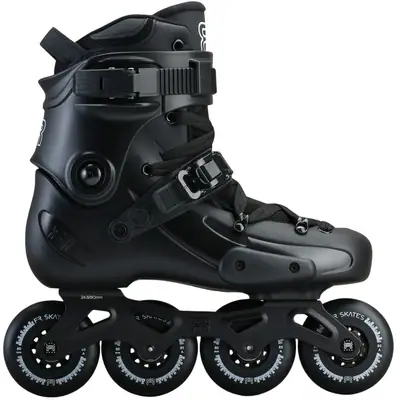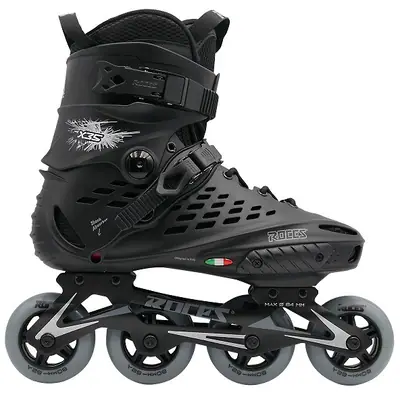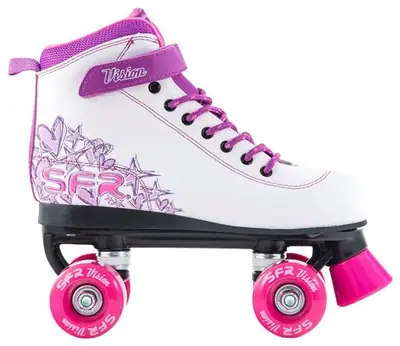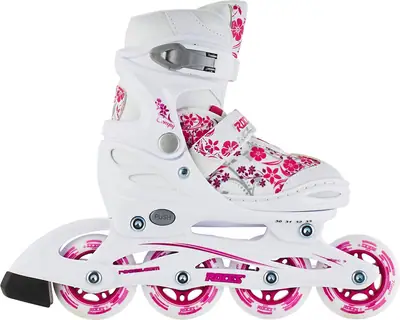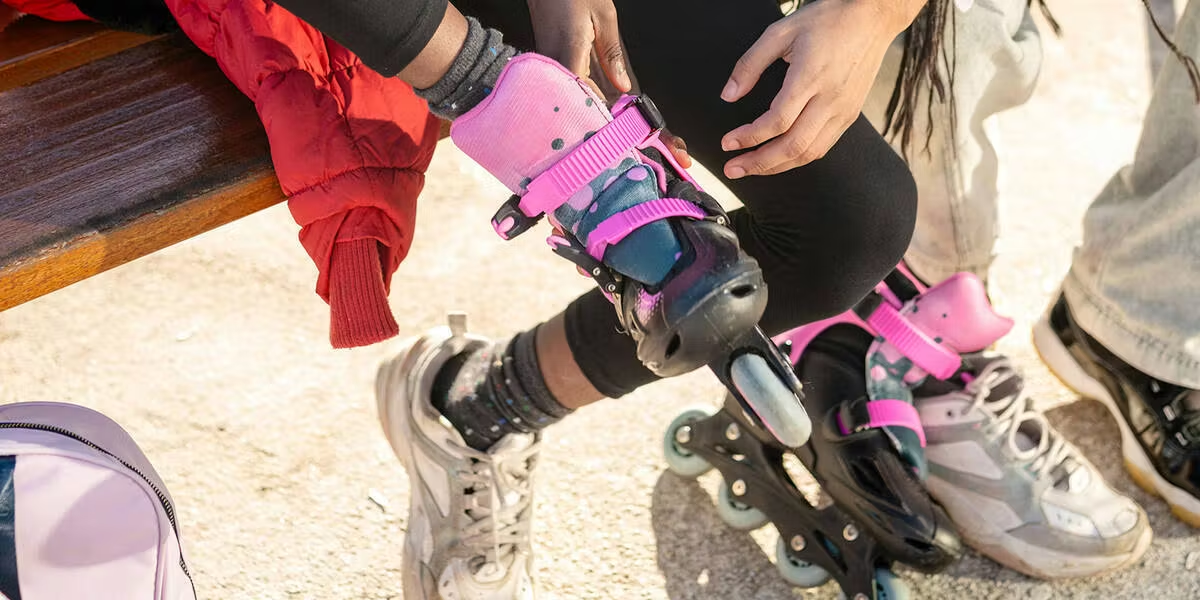
For those who've just donned a fresh pair of inline skates, whether for fitness or leisure, this guide will provide essential advice. It's particularly helpful for beginners encountering discomfort, blisters, and foot or ankle pain, as well as intermediate skaters upgrading to a new boot looking to expedite the break-in process and enhance comfort more quickly.
You've just purchased your first pair of inline skates and are eager to start your skating adventure. As you try them on, you might feel some anxiety as they seem too tight, applying pressure to sensitive spots. Fear not, we’re here to support you! We'll discuss strategies to break in new inline skates and guide you through the process with minimal fuss.
Overview

Overview
Why Are New Inline Skates Uncomfortable?
Your excitement about new inline skates is understandable, yet initial discomfort is typical. That's completely expected. The stiffness of the boots, the adjustment of your feet to the new boot's contour, and the unfamiliar skating movements all play a part in this initial discomfort. Your body needs time to adapt to the new skates.
- Normal sensations: mild pressure on toes or ankles, or slight soreness that diminishes after brief sessions.
- If something's awry: sharp pain, relentless pressure, numbness, or persistent blisters often indicate improper fitting skates.
Pro Tip: Exchanging inline or roller skates for a different size is not possible if they show evident signs of use. It's wise to test them indoors or on a clean surface. This gives you the chance to ensure the size is suitable.
We will delve into the fitting details in subsequent sections.
Prioritise Fit: Ensure the Boot Fits Before Breaking In
Before embarking on the process of breaking in your new inline skates, it's crucial to confirm the appropriate fit. Boots that are excessively tight may pinch, cause blisters, or impede circulation, while overly loose boots allow foot movement, leading to soreness and instability. Achieving the correct fit from the outset will enhance the comfort and enjoyment of your skating experience.
Fit-checking suggestions:
- Heel and ankle: Your heel should be snug without lifting when moving.
- Toes: Allow slight freedom of movement. Avoid cramping against the front.
- Width: Feel a snug fit across the midfoot, avoiding painful tightness.
- Laces and closures: Ensure tension adjustment is even. Uneven pressure might cause "hotspots" and discomfort.
Securing the proper fit initially makes the breaking-in process smoother and ensures pain-free skating. Remember: improperly fitting boots cannot be rectified by breaking in.
Strategies to Break In New Inline Skates
Once you have confirmed the correct fit, it's time to break in the skates. The initial sessions focus on enabling your boots and feet to adjust comfortably, considering these elements:
- Socks: Wear moisture-wicking socks; steer clear of cotton to avert blisters.
- Proper lacing: Start loosely, secure the ankle strap without overtightening.
- Begin with short sessions: Skate for 20 to 30 minutes on smooth terrain. Gradually increase distance.
- Watch your posture: Slightly bend your knees to prevent toe-gripping.
- Optional customisation: Heat-mouldable liners offer a personalised fit.
- Anticipate minor discomfort: Hotspots or small blisters are normal. Persistent pain prompts a fit review.
Pro Tip: Most users report initial comfort after covering around 5 to 10 miles of inline skating. Patience is key; consistent use helps your feet adjust.
Preventive Measures and Handling Blisters & Foot Ache
Blisters often emerge on ankles, heels, tops, or sides of the feet, typically due to boots rubbing poorly, inadequate socks, or incorrect fit. The positive news is, with some care and simple techniques, you can maintain comfortable feet and relish longer, pain-free skating experiences.
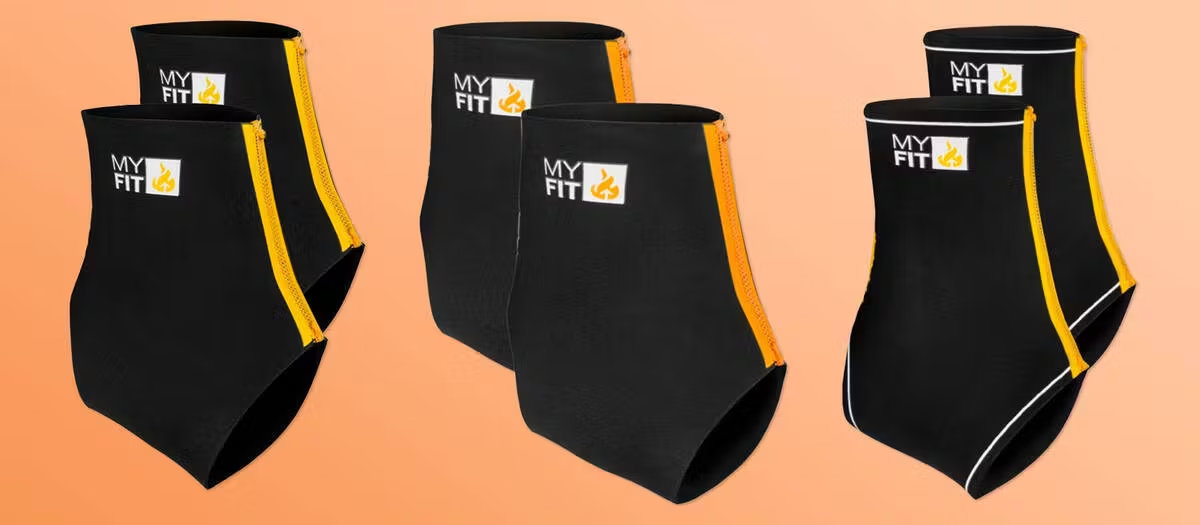
A good starting point is employing ankle sleeves or neoprene footies. These items cushion sensitive areas and minimise friction. Lacing and strap adjustments matter, ensuring snugness without pinching. If your feet slide, consider enhancing or replacing insoles for a superior fit and stability.
While skating, take brief pauses to check your feet. It takes just a moment but prevents small hotspots from becoming full blisters. Bringing blister pads or tape is beneficial to address trouble spots before they affect your session.
If a blister arises, don't neglect it. Rest your feet until it heals, treat it appropriately, and reassess your boot fit and socks to prevent recurrence.
With correctly fitting boots, protection, and some care, you can avoid painful blisters and savour smoother skating.
Timeline for Breaking In New Inline Skates
Typically, skaters report improvement in boot comfort after 2 to 3 sessions, equating to about 5 to 10 miles. However, this experience can differ based on boot type, brand, liner, foot shape, and activity level.
If discomfort lingers beyond several weeks, something may be amiss. The boot might have incorrect width or length or may simply not suit your foot.
Strategies to facilitate breaking in:
- Initiate with brief sessions.
- Move indoors to soften the liner.
- Gradually extend distance and intensity.
With patience and gradual advancements, your skates will start to feel more comfortable, enabling longer rides without discomfort.
Tips for Quick Break-Ins
Employ these straightforward suggestions to make your new skates feel comfortable more swiftly:
- Thicker or technical socks: Minimise friction and enhance boot fit.
- Heat mouldable liners or boots: Personalise the fit if available with your skates.
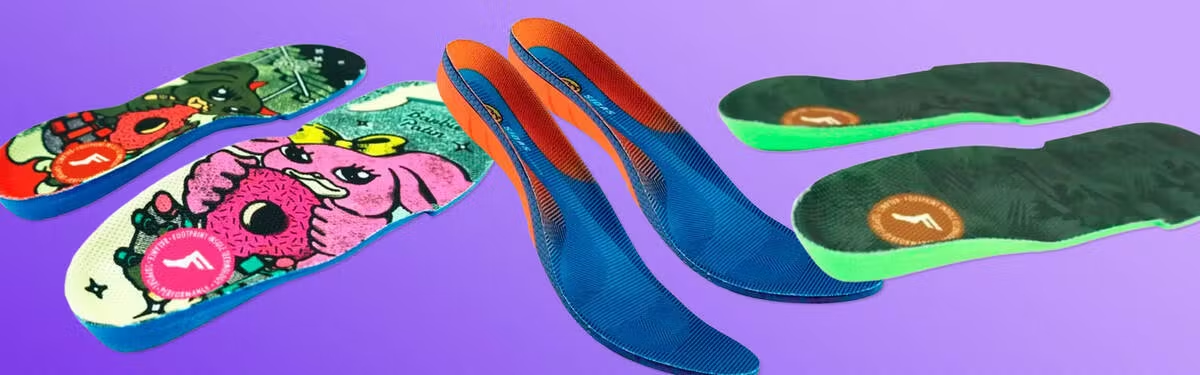
- Quality insoles: Enhance support and comfort.
- Wear skates at home: Soften liners before extended sessions.
Common Queries
Why is there foot discomfort during skating?
Foot discomfort often stems from improper fitting, inadequate lacing, or technique issues. If persistent discomfort occurs, begin by examining the fit. If size issues are ruled out, review your lacing technique. Skating with heel lift increases blister risk around the ankle, which might be improved by adjusting the laces. Your technique can also influence comfort. Check our guide for more:
Are new skates normally tight or uncomfortable initially?
A snug fit is expected during break-in, but sharp pain or numbness isn’t. You should manage to wiggle your toes, yet your foot should remain securely positioned.
How many sessions or miles are required to break in new inline skates?
Skaters usually see improvement after 2 to 3 sessions or about 5 to 10 miles. It's subjective, so there’s no fixed response.
How do I prevent skating-induced blisters?
Utilise suitable socks, ankle sleeves, or footies; ensure your boots fit appropriately; and pause to check your feet. Repeatedly getting blisters without taking preventive actions post-healing heightens recurrence risks. Follow these suggestions:
- Eliminate sizing issues – if skates are too small, comfort is unattainable, and extra sessions won’t magically modify the size.
- Verify lacing to prevent heel lifts.
- Consider ankle sleeves.
What if the fit remains incorrect post break-in?
Reevaluate boot size, width, and socks. Persistent discomfort usually indicates an ill-fitting boot.
Do insoles enhance skating comfort or fit?
Indeed, quality insoles offer improved arch support, foot hold, and overall comfort.
Learn more about insoles for inline skates in the accompanying video, where Jeppe explores insoles, shock absorption, and more themes.
Are there rapid break-in methods?
Engage in short sessions, walking indoors, and wearing skates at home as part of the process.
Is toe contact with the boot's front acceptable?
Light contact is permissible, though pressure or cramping is not.
Can I undertake lengthy skating sessions in new boots?
It's not advisable. It's better to progressively increase skating duration during the break-in phase.