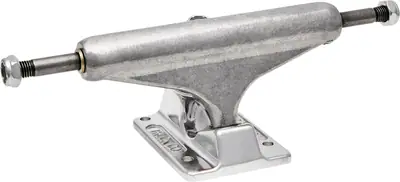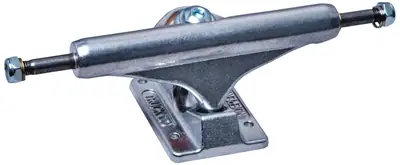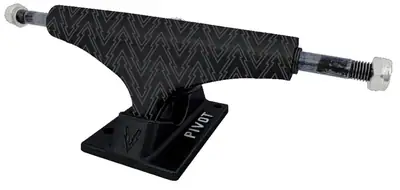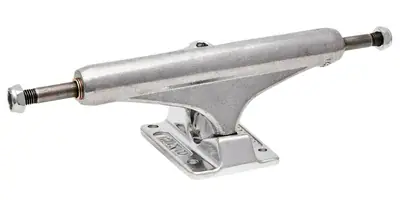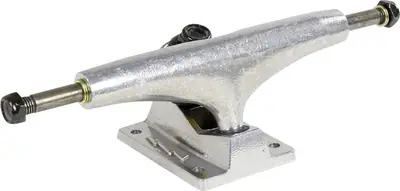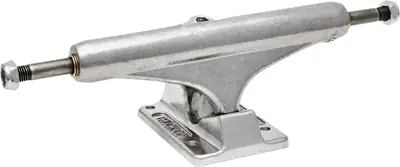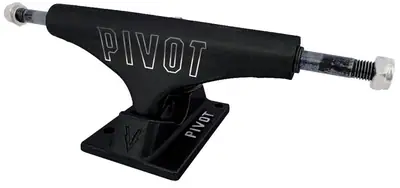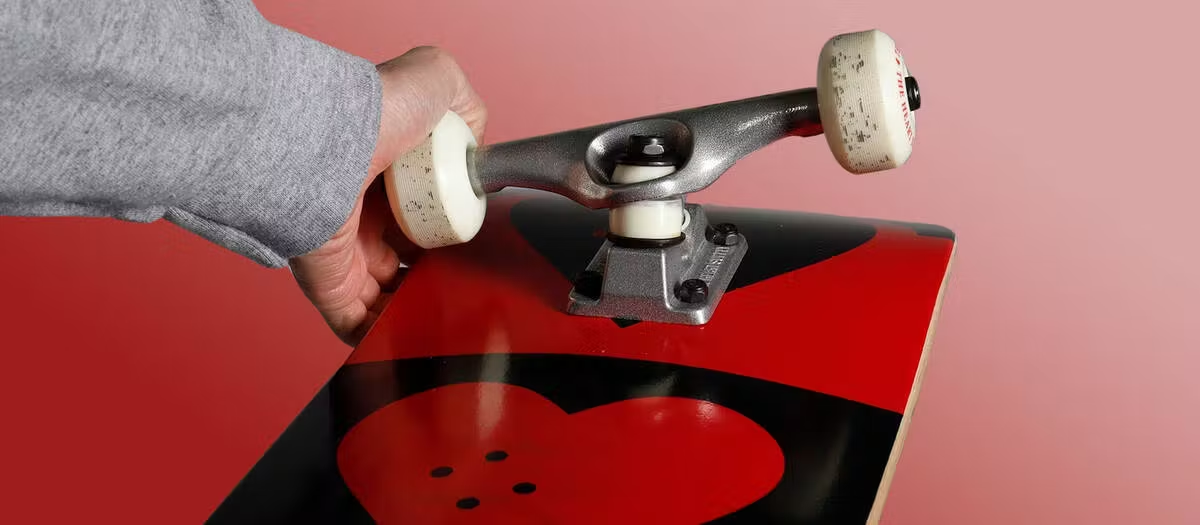
Tight trucks necessitate more force for turning, while looser trucks facilitate easier manoeuvring. Given the critical role that truck tightness plays in the handling and sensation of your skateboard, we've devoted this comprehensive guide to the topic. Here, you'll discover how to fine-tune the tightness of your skateboard trucks and the reasons you might want to adjust them.
Method for Adjusting Skateboard Trucks
- Find the kingpin nut.
- Utilise a skate tool, an adjustable wrench, or a spanner.
- Rotate clockwise to increase stability.
- Turn counterclockwise for easier manoeuvrability.
Tip: It's possible to tighten trucks without a skate tool by using an adjustable wrench. However, a skate tool is convenient to carry along and serves as an all-in-one solution worth considering as an addition when purchasing gear.
Deciding When to Tighten or Loosen Your Skateboard Trucks
Select tighter trucks if:
- You encounter wheel-bite during turns
- Your board begins to wobble at high velocities
- You desire a more consistent pop
Opt for looser trucks if:
- Lifting the front wheels is necessary for turning
- You prefer sharper turns or greater freedom of movement
- Carving feels constrained
Wheel-Bite Explained
Wheel-bite occurs when the deck makes contact with the wheels during turns, causing the board to vanish beneath your feet instantly. Bam!
→ Tightening the trucks can help minimise the risk of wheel-bite.
If you wish to maintain agility and avoid tightening your trucks, risers can solve the wheel-bite issue. Be aware, though, that risers alter the setup's geometry, resulting in a steeper pop angle. A steeper pop angle demands more effort for proper popping; if your legs are shorter, this could be even more challenging. Alternatively, consider switching to smaller wheels.
Tackling High-Speed Instability: “Speed Wobbles”
Speed wobbles can emerge at high velocities, potentially leading to a loss of control.
→ By tightening your trucks, you can maintain control at higher speeds.
Ensuring Pop Consistency
Controlling loose trucks demands more finesse.
→ If consistent popping during tricks is challenging, try turning the kingpin nut slightly clockwise to secure the trucks.
Worn-out skateboard decks naturally lose snappiness, and tightening the trucks won't resurrect the pop. And if rock music appeals more than pop… wow!
Turning Without Front-Wheel Lifting
Many novices haven't yet mastered leaning the deck for steering. Instead, they might lift the front wheels to turn, a method that is less smooth, efficient, and controlled, thus impractical in most situations.
In general, younger skaters weigh less than seasoned skateboarders, making it difficult to exert enough pressure on the trucks for effective turning. This often leads to reliance on lifting the front wheels.
→ Loosening the kingpin nuts by turning them counterclockwise can facilitate easier leaning for smoother steering. This allows for sharper turns and greater freedom without front-wheel lifting.
Personal Preference in Skateboard Truck Tightness
Adjusting skateboard trucks involves multiple variables. Increased tightness enhances control but lessens agility, and vice versa. It may require multiple adjustments to find the ideal balance.
→ If you've been unable to find the perfect setting through tightening and loosening, try adopting a setting that feels approximately suitable and concentrate on skating. You'll likely adapt before long!
Consider Swapping Bushings for Extreme Use
Bushings also affect how responsive your skateboard trucks are. They vary in hardness and form; changing the bushings can help achieve an ideal balance between looseness and tightness.
- Harder bushings equate to tighter, less yielding trucks
- Softer bushings translate to looser, more reactive trucks
Bushing hardness is gauged on the durometer scale, similar to skateboard wheels – the harder the rubber, the higher the durometer rating.
→ If you've tightened the kingpin nut to the point where the washer begins bending or wearing into the upper bushing, opting for harder bushings can provide the required stability and reactivity.
→ If seeking a softer, smoother experience and the kingpin nut has already been loosened as much as possible, consider softer bushings.