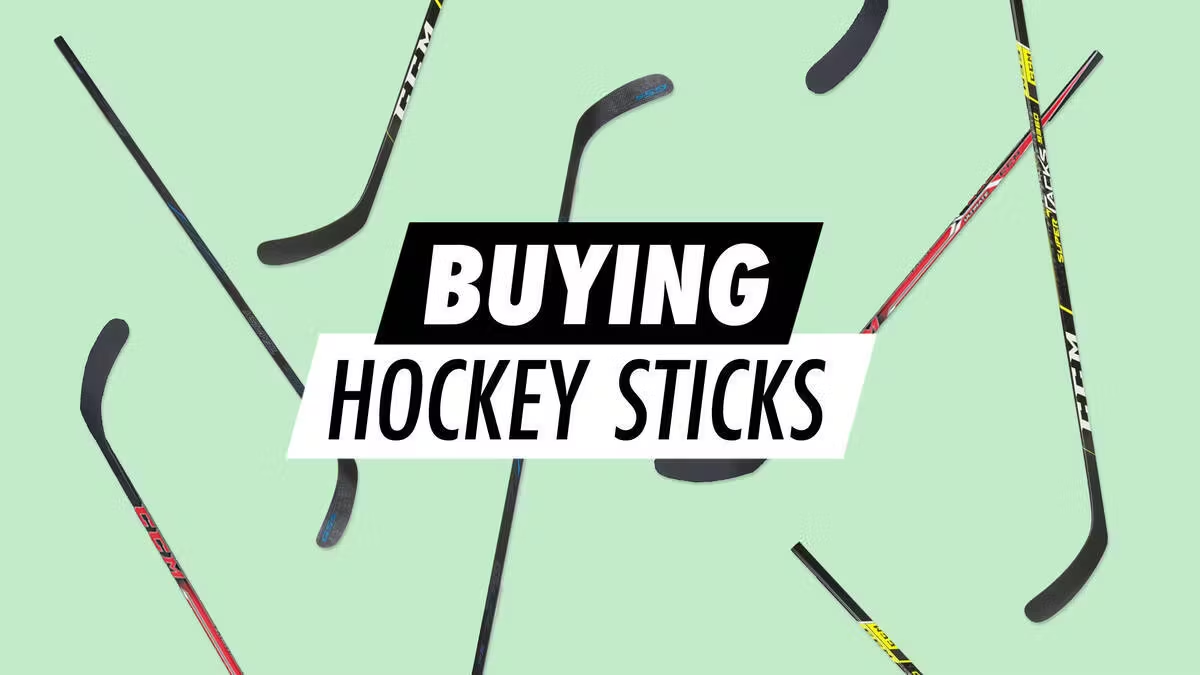
When selecting a new hockey stick, it is essential to align it with your skill level, physical height, and playing style. Consider the dimensions, flexibility, and the type of surface you will be playing on.
Given the vast array of options, finding the ideal hockey stick for your requirements can initially feel daunting. Whether your game is roller hockey or ice hockey, the correct stick is vital for optimum performance. Below are significant factors to consider that will guide you in choosing the best hockey stick based on your playing style, expertise, and setting.
- Type of Surface: Select your stick according to the surface you're playing on, whether it's ice, roller, or street.
- Material: Opt for a stick crafted from a robust yet lightweight material.
- Length: Determine the stick length based on your height and preferred play style.
- Flexibility: Choose a flex suitable for your strength and favoured shot type.
- Hand Orientation: Select left or right depending on your gripping technique.
For more detailed insights into these elements, read on!
Overview

Hockey Stick Varieties: Ice, Roller, and Street
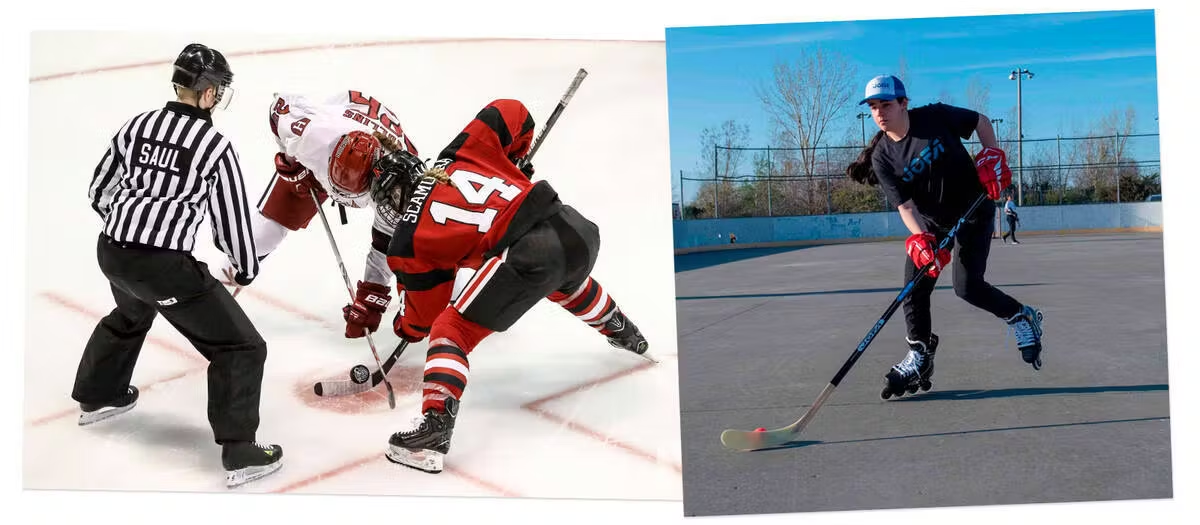
The initial decision should be whether the stick will be used for ice hockey, roller hockey, or street hockey. The choice of stick is heavily influenced by both the playing surface and your playing style.
- Ice Hockey Sticks: Tailored for use on ice surfaces.
- Roller Hockey Sticks: Specifically designed for roller hockey surfaces such as smooth asphalt or sport court tiles.
- Street Hockey Sticks: Constructed for the durable outdoor surfaces like asphalt, these sticks are often made from resilient materials to resist wear.
- All-Purpose Hockey Sticks: Versatile sticks suitable for both street and indoor hockey settings, ideal if you frequently switch between these environments.
When reviewing a product description for a hockey stick, pay attention to the type of hockey or surface it is intended for.
Is It Suitable to Use Ice Hockey Sticks for Roller Hockey?
Using an ice hockey-specific stick for roller hockey is not recommended as it will considerably speed up the blade's wear on rough surfaces. Sticking to the manufacturer's intended use is advised for maximising the longevity of your hockey stick.
What Materials Are Hockey Sticks Made From?
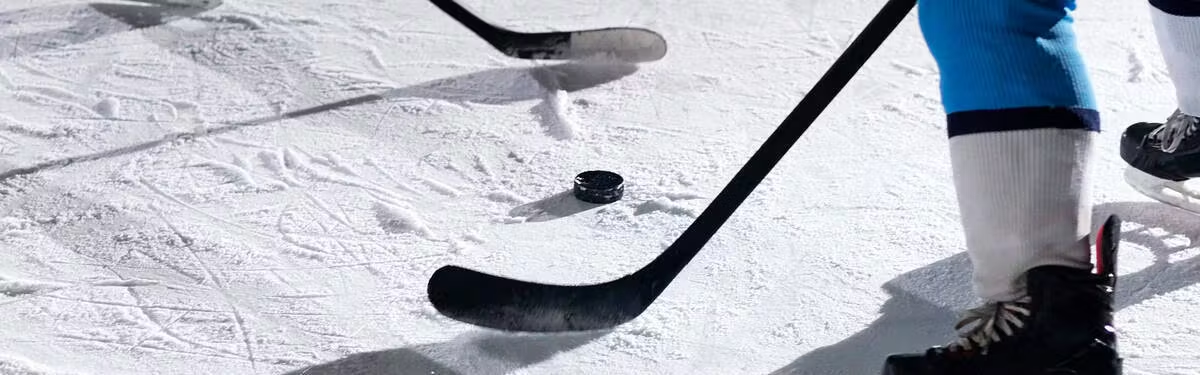
Hockey sticks utilise materials such as carbon fibre, fibreglass, Kevlar, and wood, with the latter being the original material for sticks. Nowadays, it's typical to find sticks made from composite materials, usually a combination of fibreglass and carbon fibre.
The stick's blade is crafted from a different material than the shaft, as the shaft must be strong yet lightweight and the blade material has to withstand hard impacts from pucks and balls.
The shaft of a hockey stick requires a high strength-to-weight ratio and enough flexibility to endure intense matches without breaking. Composite materials are optimized for these attributes, although particular hardwoods also share these properties.
Hockey stick blades must manage significant impacts while remaining manageable in weight for the player. Blades can be made of carbon fibre, fibreglass, wood, or plastic, with material and shape being crucial for puck control and shot precision.
Composite vs. Wood Hockey Sticks
- Wood Hockey Sticks: Traditional and reliable, wood sticks tend to be heavier but provide a classic feel. They are preferred in street or roller hockey due to their robustness.
- Composite Hockey Sticks: Comprising materials such as carbon fibre, Kevlar, or fibreglass, these sticks are lighter and offer more flexibility. They are predominantly used in ice hockey but also excel in roller hockey for those in search of high performance. Although pricier, composite sticks deliver superior energy transfer and control.
When exploring our selection of roller and ice hockey sticks, you can organise them by shaft and blade material types.
Deciding On the Correct Hockey Stick Length

The appropriate hockey stick length is crucial for achieving optimal control and shot power. Factors such as your height, skill set, playing style, and preferences should inform your decision.
Short Versus Long Hockey Stick
A shorter stick offers superior control and agility, while a longer one covers more ground. Offensive players typically favour shorter sticks, whereas defensive players prefer longer sticks.
How to Find the Ideal Hockey Stick Length
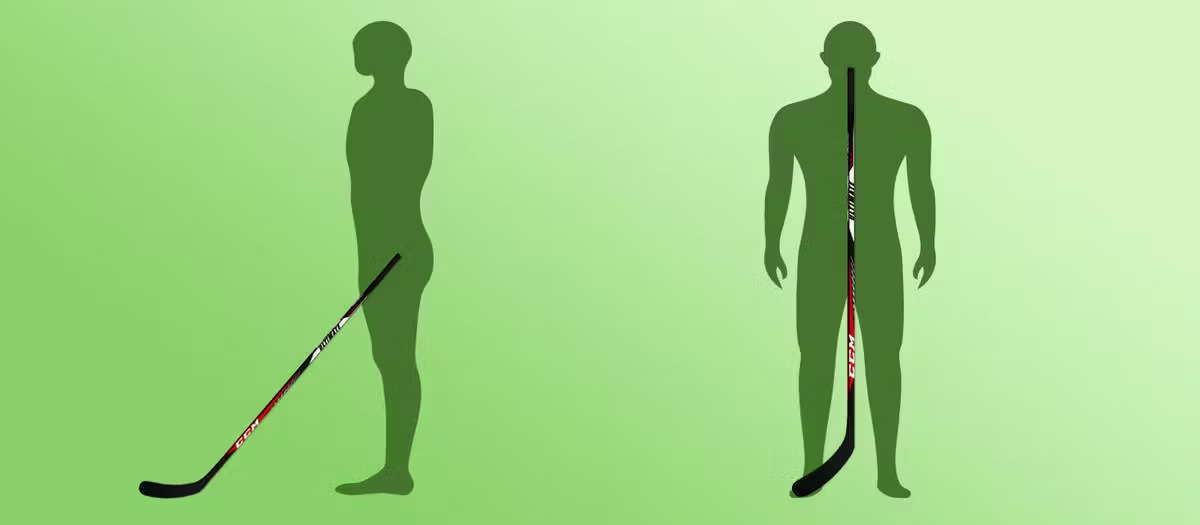
Position your arm along your side and, wearing your skates, grasp the end of the stick. Slightly bend your arm close to your body. If the blade's toe points slightly upwards, the length is appropriate.
An alternative method involves standing with or without skates, holding the stick vertically towards your chin.
- While wearing skates: Ensure the stick's end doesn't surpass your chin.
- Without skates: The end should not reach beyond the tip of your nose.
It's common for players to purchase longer sticks to cut them to their preferred length. This is a useful strategy if you're confident, but be mindful that modifying the stick can void warranties.
Our selection of roller and ice hockey sticks can be filtered by length to find your desired options. For further insight, please refer to our hockey stick size guide.
- Check out our hockey stick size guide
- Explore our selection of ice hockey sticks
- Explore our selection of roller hockey sticks
Understanding Hockey Stick Flex
Flex pertains to how much a stick bends when a force is applied, like when you're shooting. Sticks with a higher flex number are stiffer; selecting the right one depends on your strength and preferred shot type.
- Lower Flex: Facilitates shots with greater finesse and precision. Recommended for younger or less experienced players as they are easier to control.
- Higher Flex: Allows for extremely powerful shots with added force. Generally used by more skilled hockey players.
The Role of the Hockey Stick Blade Curve
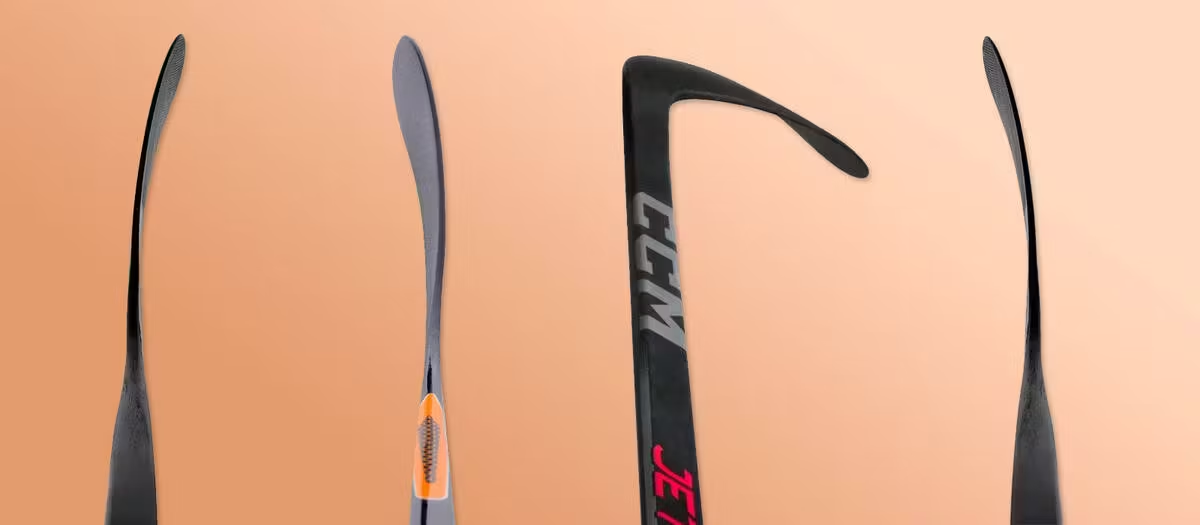
The blade curve is a vital feature of the hockey stick, influencing control over the puck or ball during shooting, passing, and dribbling. It's advisable to test different curves to find which complements your natural playing style.
The blade curve creates a 'pocket' for the puck or ball, improving control and enabling consistent and powerful shots.
Deciding Between a Left or Right Handed Hockey Stick
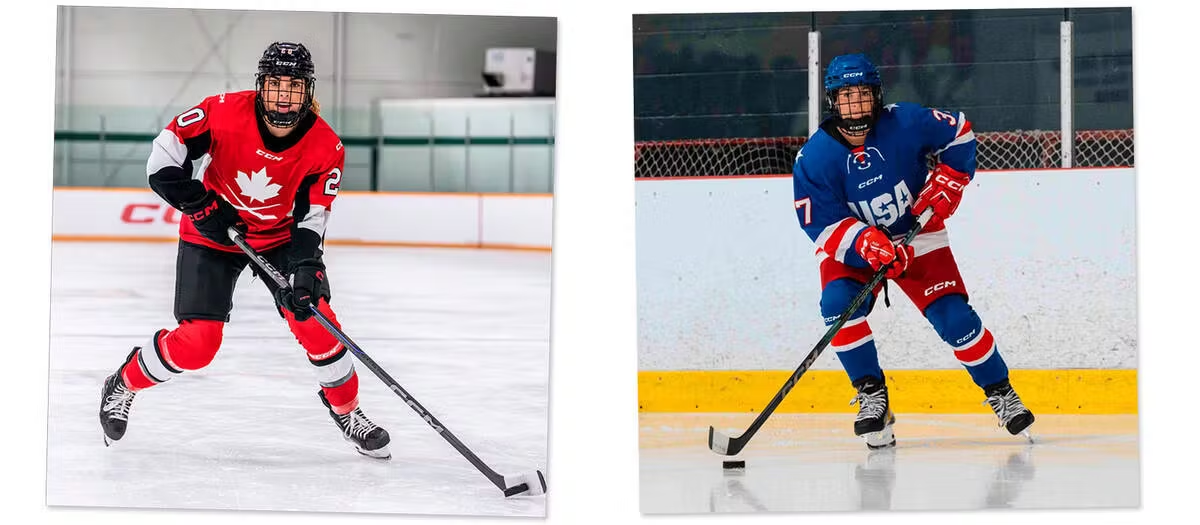
The choice between a left-handed or right-handed hockey stick relates to which hand steers the stick. If your right hand is on top, you'll prefer a left-handed stick, and vice versa. The shooting side is not linked to whether you are naturally left or right-handed; comfort is the key factor.
When in doubt, grasp a stick with both hands and simulate taking a shot. Choose a...
- Left-Handed Hockey Stick: If the puck is to your left and the right hand is on top, while the left hand is nearer the blade.
- Right-Handed Hockey Stick: If the puck is to your right and the left hand is on top, while the right hand is nearer the blade.
Nicklas demonstrates how to ascertain whether you are a left or right-handed hockey player in the video below.
Remember to explore our complete range for both roller hockey and ice hockey. We have everything you require for your hockey needs: