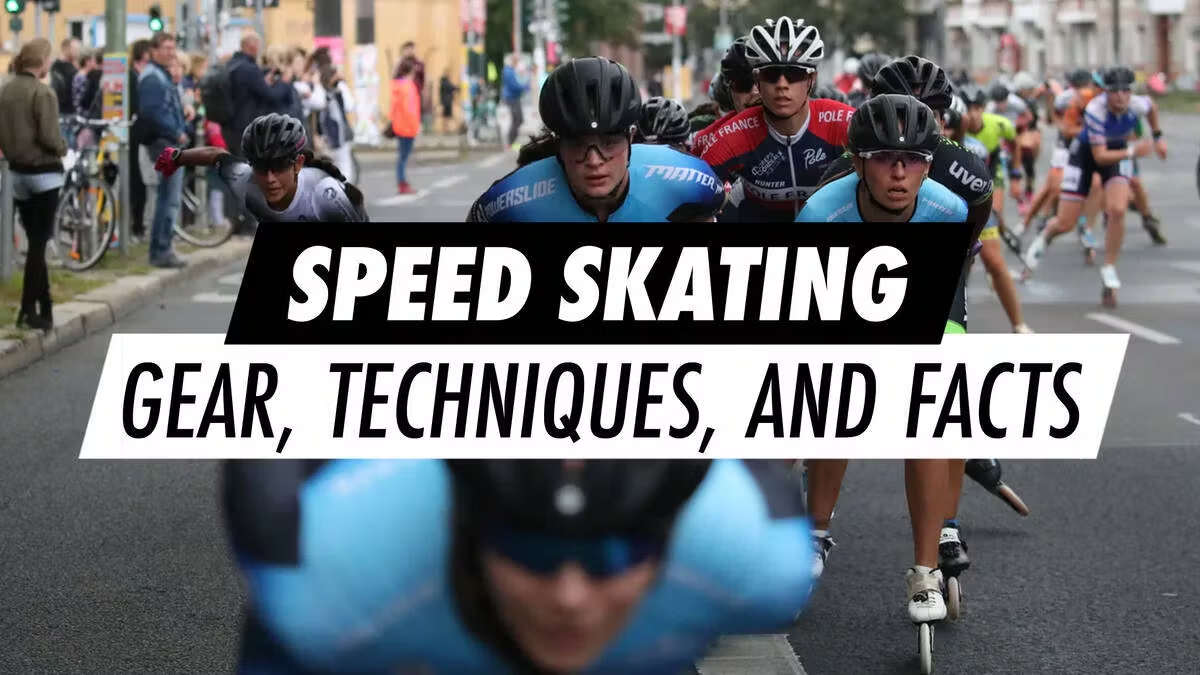
Speed skating takes inline skating to a competitive level with its focus on velocity and stamina. Are you contemplating taking up inline speed skating, or simply intrigued by it? Here, we delve into what makes speed skating unique compared to other roller sports.
Inline speed skating encompasses:
- Technique: Proficiency in advanced skills such as the double-push.
- Equipment: Stiff, low boots, lightweight frames, and substantial wheels up to 125 mm.
- Speed: Top skaters can reach 37 mph (60 km/h) on smooth surfaces.
- Community: The sport boasts a vibrant social facet through clubs and events.
Overview

Beginning Your Journey in Speed Skating
If you’re keen to start, joining a speed skating club is highly recommended. You'll receive tailored advice for your specific skill level while building a camaraderie with fellow enthusiasts.
“The social aspect of speed skating is one of its most appealing aspects. It often involves teamwork, yet allows for individual practice and competitions.” - Trine Brøns Nielsen, former SkatePro Team Rider and Danish champion.
If you're not near a club or don't have personal guidance, online resources can be invaluable. Numerous tutorials are available detailing fundamental speed skating skills. Below, we outline basic techniques to assist you in embarking on this journey (and who knows, you may establish your own local club in time).
Essential Equipment for Starting Speed Skating
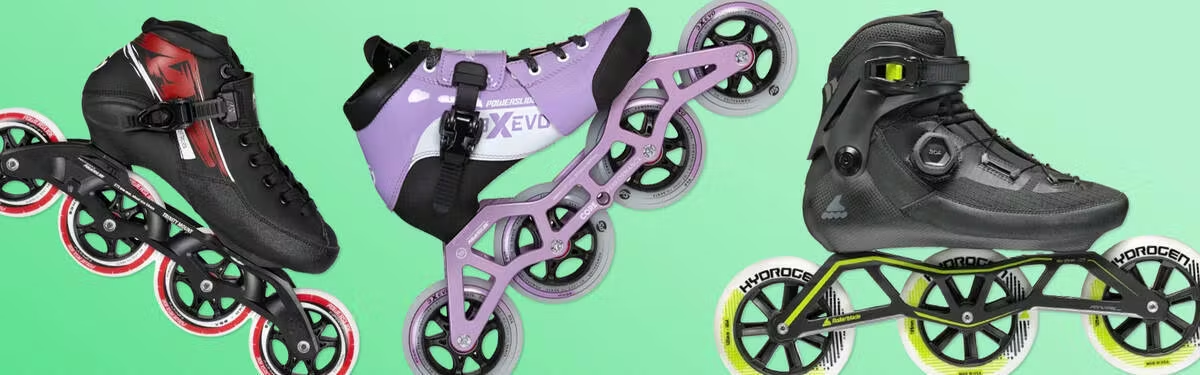
To get going with inline speed skating, you'll need just a pair of speed skates, some protective gear, and a fitting location to practice.
Understanding Inline Speed Skates
Speed skates differ from regular fitness skates through their boots, frames, and wheels. In this sport, precision is crucial, and the skates' technical attributes are designed for optimal performance.
- Boot Design: Utilise low, stiff carbon fibre boots with limited padding for maximised energy transfer.
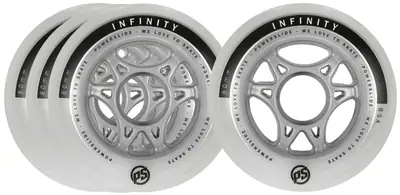
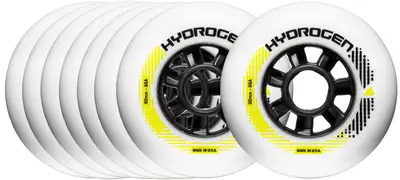
- Wheels: Larger wheels (up to 125 mm) ensure maintained momentum, with harder rubber to reduce friction and enhance speed.
- Frames: Lightweight, rigid aluminium or carbon frames focus on efficient power transfer without loss through flexibility.
Choosing the right speed skates depends on your skill level and aspirations. For absolute beginners, a higher-cut boot may offer better ankle support until you are ready for a dedicated speed skating boot.
Your choices will also differ if you are skating over long distances on rough roads or sprinting on a closed track. Softer wheels provide more traction on uneven surfaces, whereas harder wheels are preferable on smooth pavements to minimise friction.
Foundational Speed Skating Techniques
The effectiveness of a speed skater is determined by their mastery of specific techniques. Key elements to focus on for enhanced performance include:
- Body Position: Maintain a low centre of gravity with the torso horizontally aligned to reduce air resistance.
- Push Off: The deliberate application of lateral forces against the skate edges to advance forward momentum with each stride.
- Arm Swing: Arms assist in maintaining rhythm and stability during rapid manoeuvres.
- Double Push Technique: This advanced skill involves an internal "under-push" phase preceding the usual lateral extension, amplifying power generated per stride.
Observe this slow motion video for a clear demonstration of double push mechanics, body positioning, and arm swings, as executed by skilled professionals Mark Horsten and Lars Scheenstra.
Protective Equipment for Speed Skating
Speed skating involves high speeds, making protective gear vital despite potential impacts on aerodynamic efficiency.
Speed skates possess different rolling characteristics compared to typical inline skates with smaller wheels and supportive designs. Beginners are more prone to falls while adapting, and seasoned skaters reach velocities where any accident may have serious outcomes.
As you become more dedicated, you'll likely choose specialised protective gear with minimal aerodynamic drawbacks. However, prioritising safety is essential, so use protection even if it's less aerodynamically friendly at first.
The Necessity of Helmets in Inline Speed Skating
Helmets are a non-negotiable part of professional speed skating. Whether competing seriously or skating recreationally, head protection is crucial to avoid concussions or head injuries, which provide no performance advantages and could have lasting effects.
If seeking a specialised speed skating helmet, opt for one that is aerodynamically designed and well-ventilated. Helmets with MIPS (Multi-directional Impact Protection System) can offer better protection against rotational impacts. Our collection of skating helmets meets safety certification standards.
Knee and Elbow Protection in Speed Skating
For knee and elbow protection, aerodynamics and mobility are top priorities. Low-profile protectors should be considered over bulky, hard-shell versions to stay competitive. The “sleeve-style” protectors with thin, impact-absorbing foam are popular choices, offering subtle protection without hindering movement or speed.
Wrist Protection in Speed Skating
Specialised wrist protection is advisable to prevent fractures or ligament injuries, which can require extended recovery periods. A snug fit and sturdy materials are essential to keep your focus on performance rather than injury prevention. Options for dedicated speed skaters include "second-skin" gloves that merge safety with full dexterity and unrestricted movement.